






What Is Comprehensive Coverage in Car Insurance?
When shopping for car insurance, you’ll often hear terms like liability, collision, and comprehensive coverage. While liability is usually required by law and collision helps after accidents, comprehensive coverage is the part of your policy that protects your car from many of life’s unexpected events.
So what exactly is comprehensive coverage—and do you really need it?
The Simple Definition
Comprehensive coverage pays for damage to your vehicle that is not caused by a collision with another car or object. It covers losses that are usually out of your control, such as:
-
Theft
-
Vandalism
-
Fire
-
Hail, wind, floods, or storms
-
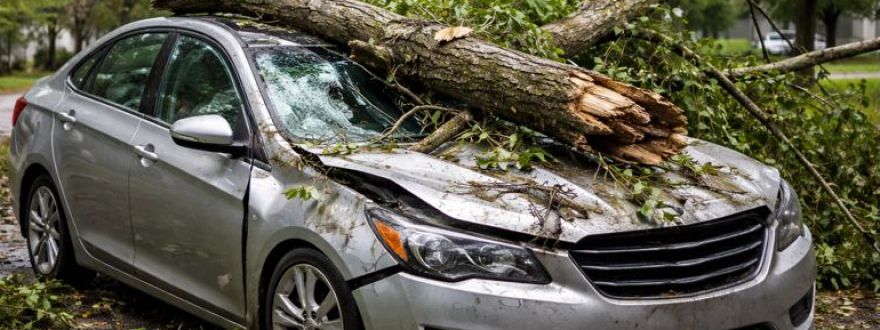
Falling objects (like tree limbs)
-
Hitting an animal (like a deer)
-
Glass damage (depending on your policy)
If something happens to your car that isn’t a crash, comprehensive is typically the coverage that steps in.
How Comprehensive Coverage Works
If your vehicle is damaged or stolen due to a covered event, you file a claim with your insurance company. After you pay your deductible, your insurer pays the remaining covered repair or replacement cost, up to your car’s actual cash value.
For example:
-
A hailstorm dents your car and causes $3,000 in damage.
-
Your comprehensive deductible is $500.
-
You pay $500, and your insurance covers the remaining $2,500.
If your car is stolen and not recovered, comprehensive coverage can pay you the value of the vehicle (minus your deductible).
What Comprehensive Coverage Does NOT Cover
Comprehensive coverage does not cover everything. It does not pay for:
-
Damage from car accidents (that’s collision coverage)
-
Mechanical breakdowns or wear and tear
-
Damage from poor maintenance
-
Normal aging of your vehicle
It also doesn’t cover injuries to you or others—that’s handled by medical and liability coverages.
Is Comprehensive Coverage Required?
Comprehensive coverage is not required by state law. However, if you lease or finance your car, your lender will almost always require you to carry both comprehensive and collision coverage to protect their investment.
Once your car is fully paid off, the choice is yours.
Do You Need Comprehensive Coverage?
Whether comprehensive coverage is worth it depends on a few factors:
1. The Value of Your Car
If your car is newer or worth several thousand dollars, comprehensive coverage usually makes sense. If your car is older and low in value, the cost of coverage might not be worth the potential payout.
2. Your Financial Situation
Could you afford to repair or replace your car if it were stolen or destroyed by a storm? If not, comprehensive coverage provides important financial protection.
3. Where You Live
If you live in an area with high theft rates, severe weather, flooding, or wildlife collisions, comprehensive coverage becomes even more valuable.
4. Your Deductible Choice
Higher deductibles mean lower monthly premiums but more out-of-pocket cost if you file a claim. Lower deductibles cost more monthly but reduce your financial burden after a loss.
Common Examples of Comprehensive Claims
Here are real-life situations where comprehensive coverage helps:
-
A deer runs into your car on a rural road
-
Your car is stolen from a parking lot
-
A tree falls on your vehicle during a storm
-
Someone vandalizes your car
-
Your windshield cracks from flying debris
In each case, comprehensive—not collision—would be the coverage used.
How Much Does Comprehensive Coverage Cost?
Comprehensive coverage is often more affordable than people expect. On average, it costs far less than collision coverage because the claims are usually smaller and less frequent.
The exact price depends on:
-
Your vehicle type and value
-
Where you live
-
Your driving and claims history
-
Your deductible amount
Many drivers are surprised to learn that comprehensive coverage may only add a small amount to their monthly premium.
Final Thoughts
Comprehensive coverage protects your car from many of the risks you can’t control—weather, theft, animals, and vandalism. While it’s not required by law, it can save you thousands of dollars if something unexpected happens.
If your car still has significant value or you rely on it daily, comprehensive coverage is often a smart investment. The key is balancing your premium cost with your ability to handle a sudden loss out of pocket.
When it comes to protecting your vehicle, comprehensive coverage fills in the gaps that accidents don’t cover—and sometimes, those gaps are exactly where life hits hardest.
Steve Pore is the Agency Principal @ Steve Pore Insurance Agency Inc. an independent insurance agency. Steve can be reached @ (316) 773-9710 or by email: steve@stevepore.com