




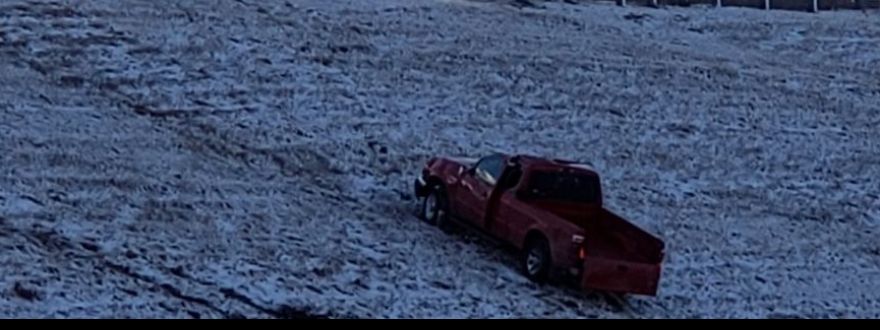
Winter storms can turn a routine drive into a dangerous situation in minutes. Snow, ice, freezing rain, and low visibility all increase the risk of accidents. Whether you’re commuting to work or heading out for essential errands, taking the right precautions can help keep you, your passengers, and others on the road safe.
Below are essential winter storm driving safety tips every driver should know.
1. Prepare Before You Leave
The safest winter drive starts before you turn the key.
-
Check the weather forecast and road conditions. If conditions are severe, consider postponing your trip.
-
Clear snow and ice from all windows, mirrors, headlights, taillights, and your vehicle’s roof.
-
Fill up your gas tank to prevent fuel line freeze-ups and ensure heat if you get stuck.
-
Inspect your vehicle, including tires, brakes, windshield wipers, battery, and antifreeze levels.
Preparation can prevent breakdowns and improve visibility during winter storms.
2. Slow Down and Increase Following Distance
Winter roads drastically reduce traction.
-
Drive well below the speed limit when roads are snow-covered or icy.
-
Increase your following distance to at least 8–10 seconds.
-
Avoid sudden acceleration, braking, or sharp turns.
Slower speeds give you more time to react if your vehicle begins to skid.
3. Know How to Handle Skids
Skids are one of the most common winter driving hazards.
-
If your vehicle starts to skid, remain calm.
-
Take your foot off the accelerator.
-
Steer gently in the direction you want the front of the vehicle to go.
-
Avoid slamming on the brakes unless you have anti-lock brakes (ABS), in which case apply steady pressure.
Practicing skid control can make a big difference in an emergency.
4. Use Headlights and Signals Properly
Visibility is often limited during winter storms.
-
Turn on your headlights anytime visibility is reduced, even during the day.
-
Use turn signals early and brake lights gently to warn other drivers.
-
Avoid using high beams in heavy snow or fog, as they can reflect back and reduce visibility.
Being seen is just as important as seeing others.
5. Pack a Winter Emergency Kit
If you become stranded, a winter emergency kit can be lifesaving.
Include items such as:
-
Blankets or warm clothing
-
Flashlight and extra batteries
-
Ice scraper and snow shovel
-
Jumper cables
-
First-aid kit
-
Non-perishable snacks and water
-
Phone charger or power bank
Having these supplies can keep you safe until help arrives.
6. Stay Alert for Black Ice
Black ice is nearly invisible and extremely dangerous.
-
Be especially cautious on bridges, overpasses, shaded areas, and intersections.
-
Watch for sudden changes in vehicle handling.
-
If you hit black ice, do not brake hard—ease off the gas and steer gently.
Assume roads may be icy even if they look clear.
7. Know When to Stay Off the Road
Sometimes the safest decision is not to drive at all.
-
Avoid unnecessary travel during severe winter storms.
-
Follow local advisories and road closures.
-
If conditions worsen while driving, pull over safely or exit the roadway when possible.
No trip is worth risking your safety.
Final Thoughts
Winter storm driving requires patience, preparation, and caution. By slowing down, staying alert, and preparing your vehicle for harsh conditions, you can significantly reduce the risk of accidents. Remember, safe winter driving protects not only you but everyone sharing the road.
If you’d like help reviewing your auto insurance coverage for winter-related risks—such as towing, roadside assistance, or collision coverage—feel free to reach out to us @ (800) 569-0462