





What Is Collision Coverage on an Auto Insurance Policy?
When you think about car insurance, you probably think about accidents. That’s exactly where collision coverage comes in. It’s one of the core parts of a full coverage auto insurance policy, and it plays a big role in protecting your vehicle after an accident.
Let’s break down what collision coverage is, how it works, and when it makes sense to have it.
What Is Collision Coverage?
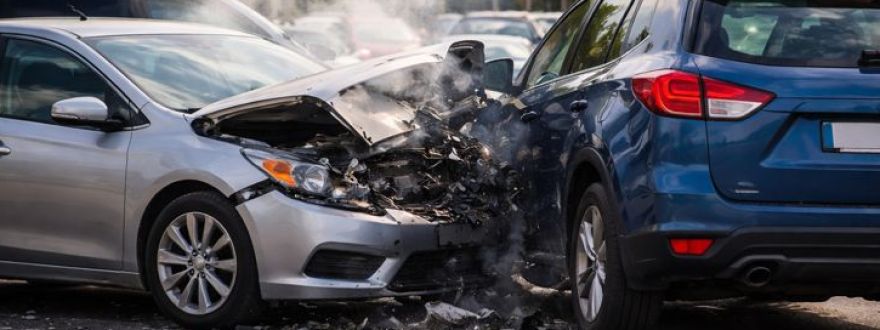
Collision coverage helps pay to repair or replace your car if it’s damaged in a collision—no matter who is at fault. This includes:
-
Crashing into another vehicle
-
Hitting a tree, pole, fence, or guardrail
-
Rolling your car over
-
Hitting a pothole or curb and damaging your vehicle
If your car is damaged because it collided with something, collision coverage is the part of your policy that responds.
How Collision Coverage Works
After an accident:
-
The damage is inspected and estimated for the cost to repair or replace.
-
Your insurer pays for repairs or the actual cash value of the vehicle if it’s totaled—minus your deductible.
For example:
If repairs cost $3,500 and your collision deductible is $500, your insurance would pay $3,000 and you pay the $500.
What Collision Coverage Does NOT Cover
Collision coverage only applies to crashes. It does not cover:
-
Theft or vandalism
-
Fire
-
Flood or hail
-
Falling objects (like tree limbs)
-
Hitting a deer or other animals
Those types of losses fall under comprehensive coverage, not collision.
Is Collision Coverage Required?
Collision coverage is not required by state law. However:
-
If you have a car loan or lease, your lender will almost always require collision coverage.
-
If you own your car outright, it’s optional—but still often a smart choice.
When Is Collision Coverage Worth Having?
Collision coverage usually makes sense if:
-
Your vehicle is newer or still worth a decent amount
-
You couldn’t easily afford to replace your car out of pocket
-
You drive frequently or in high-traffic areas
It may not be worth it if:
-
Your car is very old or low in value
-
The cost of coverage is close to what your car is worth
-
You could replace the vehicle without financial stress
A good rule of thumb: if your car is worth only a little more than your deductible and annual collision premium combined, you might consider dropping it.
Choosing a Deductible
Common collision deductibles are:
-
$250
-
$500
-
$1,000
Lower deductible = higher monthly premium
Higher deductible = lower monthly premium
Pick a deductible you could comfortably pay if an accident happened tomorrow.
Final Thoughts
Collision coverage protects your vehicle when it’s damaged in an accident—whether you hit someone else, someone hits you, or you hit an object. It’s not required by law, but for many drivers, it’s an important layer of financial protection.
If your car still has value and you rely on it every day, collision coverage can be the difference between a stressful financial hit and a manageable repair bill.
Steve Pore is the agency principal @ Steve Pore Insurance Agency Inc., located in Wichita, Kansas. You can reach Steve @ (316) 773-9713 or email: steve@stevepore.com